
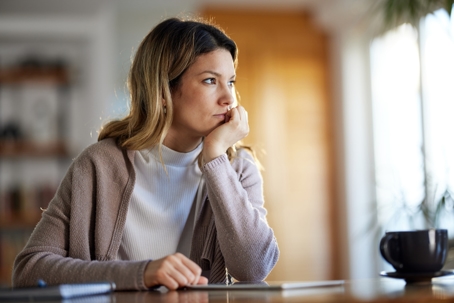
Divorce often marks a turning point that reshapes daily routines, relationships, and personal identity. When this change intersects with the winter season in Colorado Springs—shorter days, colder temperatures, and quieter social schedules—the emotional weight can feel even heavier. Understanding why loneliness can intensify and learning healthy ways to respond can offer meaningful relief as you navigate this chapter.
For immediate support, reach out through our online contact form or call (719) 212-4227.
Understanding Why Loneliness Feels Stronger In Winter
Loneliness after divorce can show up in many forms, from missing familiar routines to adjusting to new living arrangements. During winter, emotional challenges can feel intensified because the season brings less daylight, fewer social events, and more time spent indoors. Even people who typically feel comfortable alone may notice changes in their mood during this time.
When emotional shifts combine with the major life changes that accompany divorce, it becomes especially important to understand what contributes to these feelings. Awareness is the first step toward building practical, supportive habits that help you regain balance.
How Divorce Can Amplify Winter Challenges
Divorce often requires people to untangle shared responsibilities, redefine boundaries, and navigate parenting schedules. These adjustments can create an emotional strain that peaks during quieter months. Winter also reduces opportunities for spontaneous social interactions, which can leave more space for rumination or self-doubt.
If you share parenting time, you may also experience stretches of solitude that feel sharper during winter breaks or holidays. Even when these schedules are fair and thoughtfully built, they still require emotional adjustment. A Colorado Springs divorce attorney can help ensure parenting plans reflect the needs of your family, but the emotional impact of that plan can still take time to adapt to.
Key Emotional Shifts To Expect After Divorce
Not everyone processes divorce the same way, but many people experience similar emotional changes during the first months. Preparing for these shifts can make them less overwhelming. Before exploring coping strategies, it helps to understand common thoughts and feelings individuals may experience.
Common Emotional Responses
Below is a list of emotional reactions that frequently appear during or after the divorce process. Recognizing these experiences can help reduce the pressure to “feel fine” before you are ready.
- A sense of loss when regular routines disappear
- A decrease in social engagement or interest in activities
- Feeling uncertain about identity outside the marriage
- Anxiety about future plans or long-term decisions
- Moments of isolation during shared parenting time transitions
These reactions are normal and often temporary. Understanding them can make it easier to approach the next steps with patience and compassion.
Building a Supportive Winter Routine
Once you recognize the impact of winter and divorce together, creating intentional routines can make a significant difference. The goal is not to eliminate loneliness entirely but to develop constructive ways to navigate it.
Activities That Strengthen Emotional Well-Being
Before diving into specific strategies, it can be helpful to explore what types of activities tend to support mental health during winter. These practices do not need to be overwhelming or time-consuming; even small steps can shift daily patterns.
Here are examples that many people find helpful during the colder months:
- Scheduling regular check-ins with friends or family
- Participating in a winter hobby, such as reading, crafting, or home projects
- Incorporating light exercise to counter the reduced daylight
- Exploring community groups or support meetings
- Setting a gentle structure to days that might otherwise feel empty
Choosing just one or two of these strategies can make the winter months smoother and help build momentum toward long-term emotional balance.
Creating Social Connection Even When Days Feel Long
Social interaction does not always require large gatherings. Simple, consistent moments—such as meeting a friend for coffee, joining an online class, or attending a recurring community activity—can add warmth to a season that otherwise feels isolating. Over time, these small habits can rebuild your sense of connection.
Caring For Yourself While Managing Parenting Time
For parents, winter loneliness may feel more intense during periods when children are with the other parent. These quieter moments can feel jarring, especially after years of daily involvement.
If parenting time is new or newly adjusted, consider using the time to focus on rest, healing, or personal goals. Rather than filling every moment, aim to strike a balance between activity and reflection.
If you are unsure whether your parenting schedule still reflects your child’s needs or your family’s circumstances, speaking with a Colorado Springs divorce attorney can help you explore whether modifications are appropriate.
Rediscovering Identity After Divorce
Divorce often prompts individuals to reconsider who they are outside the relationship. While this process can feel unsettling, it can also bring clarity and opportunity.
Winter months can create a natural quiet space that encourages self-reflection. Journaling, planning future goals, or reconnecting with long-ignored interests can offer grounding. These activities help rebuild the confidence and independence that sometimes fade during long-term relationships.
When To Consider Professional Support
Loneliness is a common response to significant change, but if the feeling becomes overwhelming, speaking with a mental health professional may be beneficial. Therapists offer guidance for managing grief, rebuilding routines, and navigating emotional transitions.
Connecting with a Colorado Springs divorce attorney may also be important if emotional challenges stem from legal stressors—such as uncertainty about parenting schedules, property division, or communication boundaries. Understanding your rights and options can ease anxiety by clarifying the road ahead.
Staying Connected To Community Resources In Colorado Springs
Colorado Springs offers community centers, group activities, and winter events that can help you stay active during colder months. Many organizations host indoor programs during winter, making it easier to engage without battling harsh weather.
If you are unsure where to begin, consider reaching out to close friends, local groups, or professionals involved in your divorce process. People often underestimate how willing others are to help.
Managing Expectations While Healing
Healing after divorce is not a linear process. Some days will feel calm, while others may feel more challenging. Winter can magnify both the quiet moments and the emotional ones. Setting realistic expectations can reduce pressure and encourage more compassionate self-care.
Try focusing on progress rather than perfection. Even small actions—making a phone call, stepping outside for a walk, or planning one social activity per week—can support emotional relief over time.
Allowing Yourself Room To Grow
Loneliness can be a powerful teacher. While unpleasant, it can also reveal what you value, who you connect with most deeply, and what you hope to build in your next chapter. Approaching this period with curiosity rather than judgment can shift the emotional tone of winter.
Support After Divorce: Contact A Colorado Springs Divorce Attorney
If loneliness or uncertainty is affecting your ability to move forward, Law Office of Greg Quimby, P.C. offers resources that can help you better understand the legal and emotional landscape of divorce. Reach out through our online contact form or call (719) 212-4227 to discuss your questions and learn more about your options.