
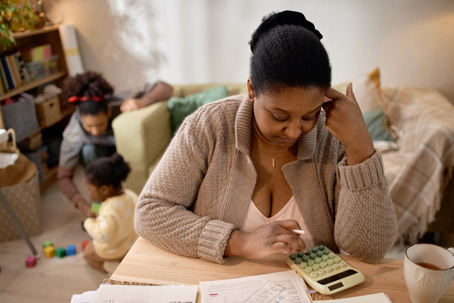
Back-to-school season comes around every year, and for co-parents managing life after divorce, it can bring a surge of new expenses all at once. Supplies, school fees, sports gear, new clothes, and technology costs pile up quickly — and when two former spouses share children, questions about who pays for what can create real tension. If you currently receive or pay spousal support, you may be wondering whether those back-to-school bills have any impact on your existing support arrangement.
Do not let financial uncertainty overshadow your child's new school year. If your spousal support or child support order no longer reflects your family's real costs, take action now — fill out our online contact form or call us at (719) 212-4227.
What Spousal Support Is and How It Works
Spousal support — sometimes called alimony or maintenance — is money that one former spouse pays to the other after a divorce. The purpose is to help the lower-earning spouse cover living expenses while they work toward financial independence. In Colorado, a judge weighs several factors when setting a spousal support order, including how long the marriage lasted, each spouse's income, and the standard of living the couple shared.
It is important to know that spousal support and child support are two separate things. Child support is money paid specifically to help cover a child's needs, such as housing, food, clothing, and education costs. Spousal support, on the other hand, is meant to help the receiving former spouse — not to fund the children's expenses directly.
Understanding this difference is a key first step. It helps you figure out which type of support should apply when a back-to-school expense comes up — and whether a gap in your current arrangement needs to be addressed.
How Back-to-School Costs Connect to Child Support
Child support is the main source of financial help for a child's day-to-day and school-related expenses. When back-to-school season hits, many parents realize that their child support order was set some time ago and may not reflect what things actually cost today. Prices for school supplies, technology, and extracurricular activities have all risen steadily over the years.
Colorado courts allow child support orders to be reviewed and changed when there has been a meaningful shift in circumstances. A significant change in income, a child's growing needs, or rising costs can all be part of that conversation. If your current child support payments feel out of step with what your children genuinely need, it may be worth exploring whether a modification is possible.
Common Back-to-School Expenses Co-Parents May Need to Plan For
Back-to-school season involves far more than a quick trip for notebooks and pens. Many families spend hundreds — sometimes well over a thousand — dollars in the weeks before school starts. Knowing what to expect can help both parents plan and communicate more clearly about shared responsibilities.
Here are some of the most common back-to-school expenses that come up between co-parents:
- School supplies, such as notebooks, folders, pens, calculators, and backpacks
- New clothing and shoes for the upcoming school year
- Technology costs, including laptops or tablets required for schoolwork
- School registration fees and student activity fees
- Sports equipment, team uniforms, and participation or league fees
- After-school childcare or program fees for working parents
- Field trip fees, school pictures, and other add-on school-year charges
Having a clear picture of these costs can make it easier to have a productive conversation with your co-parent — or with your attorney. When both parents can see the full list, it becomes much easier to work toward a fair and practical plan.
Does Spousal Support Cover Back-to-School Expenses?
Spousal support is not designed to fund school shopping or children's activities. It is meant to help the receiving spouse meet their own personal living costs after the divorce. If you find yourself using spousal support payments to fill gaps in your child support — because your child support amount simply is not enough — that is a sign your current arrangement may need a closer look.
The two types of support serve different purposes, and courts treat them differently. If school-year costs are piling up and your child support does not cover them, the answer is usually to address the child support order — not to rely on spousal support to bridge the gap.
Signs It May Be Time to Revisit Your Support Order
Support orders are set based on the facts at a specific moment in time. As life changes, those orders may no longer fit what is actually happening. Here are some signs that your child support or spousal support order may be due for a review:
- Your income or your former spouse's income has changed significantly since the order was put in place
- Your child has moved into a new level of schooling — like middle school or high school — which often comes with higher fees and costs
- Your spousal support was set as a short-term arrangement, and that period is coming to an end or has already passed
- The cost of living has risen sharply since your order was originally calculated
- Your co-parent is refusing to contribute to school-related costs that were agreed upon or ordered by the court
- Your childcare or after-school care expenses have increased and were not reflected in your original order
These signs do not automatically mean a court will change your order. They do mean, however, that a review is worth pursuing.
Acting on these concerns early — before financial stress becomes unmanageable — gives you more time and more options for reaching a resolution that works for your family.
How Support Orders Can Be Modified in Colorado
In Colorado, either spouse can ask the court to modify a spousal support or child support order when circumstances have changed substantially. "Substantially" is a legal standard that generally means the change is significant and is expected to last for a meaningful period of time. A temporary drop in income, for example, may not qualify — but a lasting job loss or major shift in financial situation often will.
To request a modification, you typically need to file the appropriate paperwork with the court and be prepared to explain what has changed. A family law attorney can help you gather the right information, prepare your case, and present it clearly to the court.
What to Do If Your Co-Parent Is Not Paying
If your former spouse is not paying spousal support or child support as ordered, you have legal options. Courts in Colorado take violations of support orders seriously. Available enforcement tools can include wage garnishment — where payments are taken directly from the paying person's paycheck — as well as other legal remedies.
You should not try to handle a non-payment situation on your own. Taking the wrong approach or making decisions without legal guidance can complicate your case. Working with a family law attorney helps make sure the right steps are followed and that your rights are protected throughout the process.
Talk to a Colorado Springs Family Law Attorney About Child Support and Spousal Support
Back-to-school season puts a spotlight on whether your current support arrangement is truly meeting your family's needs. Whether you are struggling to cover school expenses on what you receive, believe your order should be adjusted, or are dealing with a co-parent who is not following through on their obligations, you do not have to face this situation on your own.
Law Office of Greg Quimby, P.C. works with co-parents throughout the Colorado Springs area on matters involving child support, spousal support, and related family law concerns. Our team takes the time to listen, to understand what is at stake for you and your children, and to help you move forward with a clear plan. A Colorado Springs family law attorney at our firm can review your situation and walk you through your options at every step.
Reach out today through our online contact form or call us at (719) 212-4227 to schedule your free initial consultation.